
Top Signs You Need Garage Door Service — Don’t Ignore These
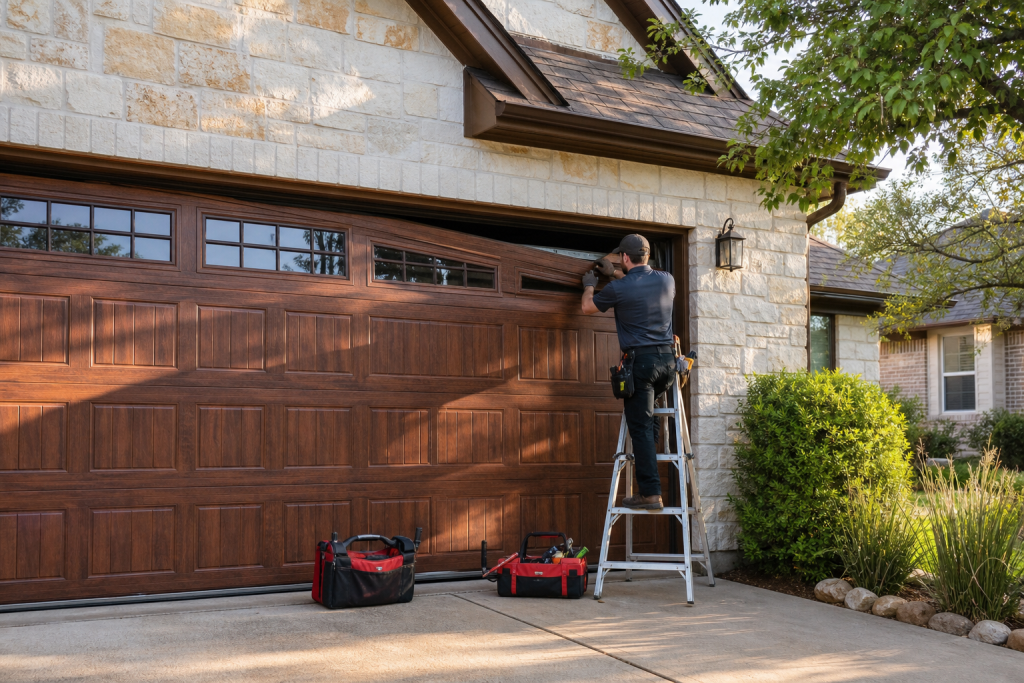
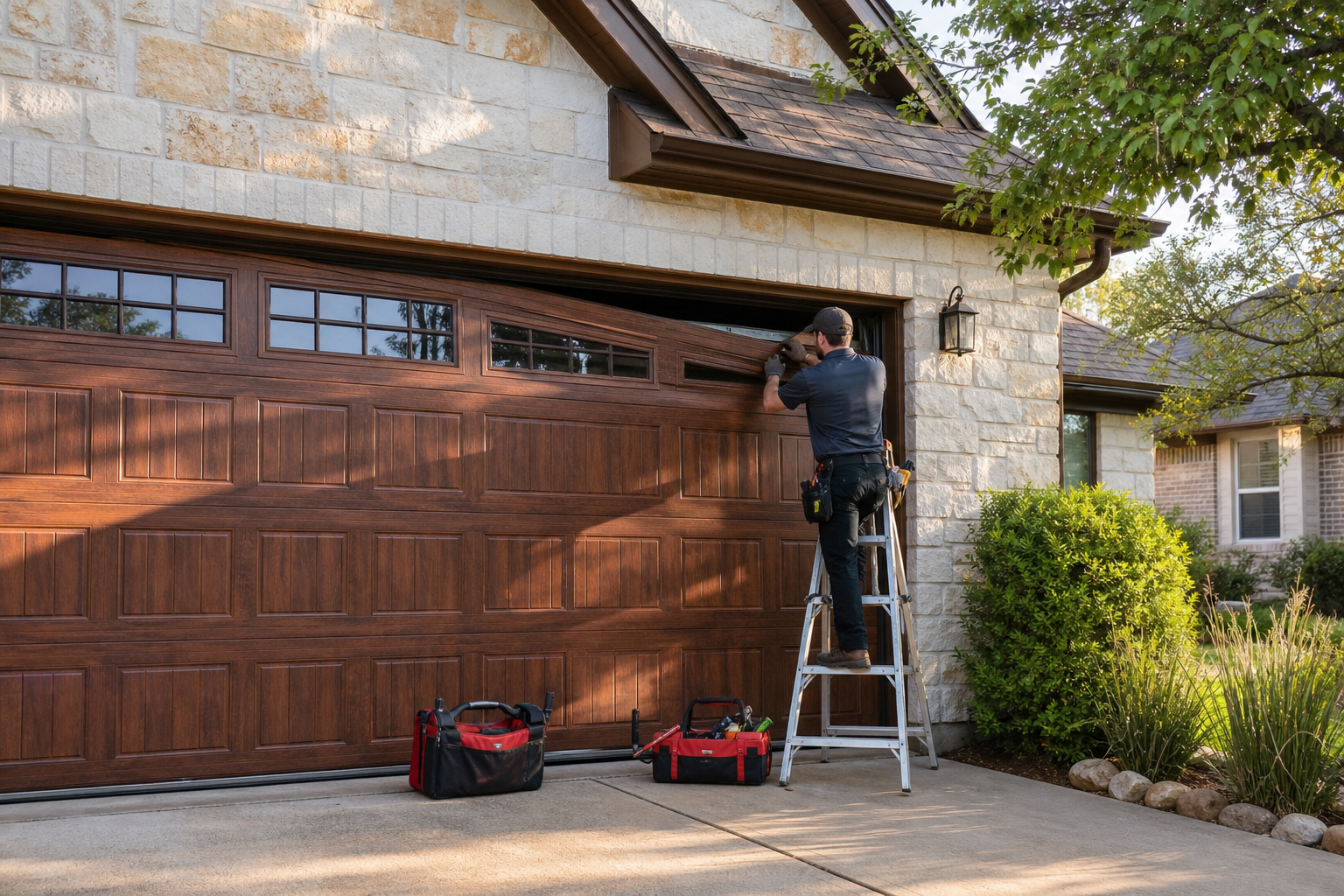
A garage door that takes two seconds longer to close than it used to isn’t just ‘getting old’ — it’s telling you the spring tension is off, and you have a limited window before something gives. Many homeowners in Round Rock dismiss subtle changes in their garage door’s operation as normal wear and tear, but these are actually critical diagnostic signals. Ignoring them can turn a minor adjustment into a major, expensive repair, or worse, leave your car trapped inside or your home vulnerable. Recognizing these early warning signs can save you time, money, and significant frustration.
Garage door service in Round Rock typically involves addressing common issues like worn springs, opener malfunctions, or damaged panels. The cost for common repairs can range from $150 for minor adjustments to over $500 for complex spring replacements. Recognizing the signs that your door needs professional attention from an expert like Master Gate Repair Experts Round Rock can prevent these costs from escalating.
The Sound of Trouble: Listening for Garage Door Failures
Your garage door is a complex mechanical system, and like any machine, it communicates its condition through sound. Grinding, popping, squealing, and banging aren’t just random noises; they’re specific indicators of underlying problems that often require immediate attention. In Round Rock, where we experience temperature fluctuations that can affect metal and springs, these sounds can become more pronounced. For instance, a loud grinding noise often points to a worn-out opener gear or a problem with the rollers and tracks. We’ve seen doors in neighborhoods like Forest Creek where the dry air exacerbates friction, leading to these grinding sounds if lubrication is neglected.
A popping sound, particularly when the door is moving, frequently signals a problem with the torsion spring. These springs are under immense tension, and a popping noise can mean the spring is nearing the end of its lifespan or has already developed a crack. This is a critical safety issue; a broken torsion spring can cause the door to drop unexpectedly and with tremendous force. Squealing, on the other hand, is usually a sign of dry or worn-out rollers, hinges, or cables. While often less immediately catastrophic than a popping spring, persistent squealing indicates parts are rubbing against each other, leading to premature wear and potential failure. Addressing these sounds early, especially in the humid Texas climate that can accelerate rust on metal components, is key to preventing a complete system breakdown. Ignoring these auditory warnings in Round Rock could lead to a door that’s completely inoperable, leaving you stranded or exposed.
Speed and Movement: Decoding Your Door’s Motion
The way your garage door moves is as telling as the sounds it makes. Any deviation from its usual smooth, consistent operation — whether it’s slowing down, hesitating, jerking, or reversing unexpectedly — is a red flag. In Round Rock, we often see doors that begin to move slower as the torsion springs lose their tension or begin to weaken. This isn’t just about inconvenience; a door that struggles to lift or close efficiently is working harder than it should, putting undue stress on the opener motor and other components. We’ve encountered situations in the Stone Canyon area where homeowners thought their opener was failing, only to discover the issue was a severely weakened spring that the opener was compensating for, leading to premature motor burnout.
A door that jerks or hesitates mid-motion suggests a problem with the opener’s internal mechanisms, such as a worn gear or a faulty circuit board. If your door reverses direction unexpectedly without hitting an obstruction, it’s a common symptom of misaligned safety sensors or a more serious issue with the opener’s travel limits. It’s crucial to differentiate this from a sensor issue; if the sensors are clean and unobstructed but the door still reverses, it points to a mechanical or electrical fault within the opener itself. These movement anomalies are not just minor annoyances; they’re diagnostic data pointing to components that are failing and could soon lead to a complete stoppage, leaving you unable to access your garage in Round Rock.
The Visual Inspection: Torsion Springs and Cable Health
Many homeowners in Round Rock neglect the simple visual inspection of their garage door’s most critical components: the springs and cables. These parts are essential for balancing the heavy door, allowing the opener to lift and lower it with ease. The torsion spring, typically located on a bar above the door, is a powerhouse. If you look closely at your torsion spring, especially on older doors, you might see a distinct gap. This gap is definitive proof that the spring has broken. A broken torsion spring is incredibly dangerous due to the stored energy it holds. It’s one of the most common reasons for a garage door to suddenly become inoperable, and it’s a repair that absolutely requires professional attention from a certified technician. Trying to operate a door with a broken spring can cause further damage to the tracks and opener.
Similarly, the cables that run from the bottom corners of the door up to the drums near the spring system can fray, stretch, or snap. Damaged cables, much like broken springs, can lead to a door that hangs unevenly, operates erratically, or even falls. We’ve responded to calls in the Walsh Ranch area where a frayed cable caused one side of the door to lift higher than the other, putting immense strain on the horizontal track and the opener. Regularly checking these components for signs of wear, rust, or breakage is a preventative measure that can avert a costly emergency. For homeowners in Round Rock, understanding what to look for visually can be the first step in diagnosing a problem before it escalates into a lockout.
Manual vs. Automatic: When the Opener Struggles
A common scenario we encounter in Round Rock is a garage door that operates smoothly when you lift it manually, but struggles, jerks, or fails to lift when using the automatic opener. Many homeowners mistakenly assume the opener is faulty and needs replacement. However, this behavior is almost always a clear indicator of a problem with the door’s balance, specifically related to the torsion springs or extension springs. When a door is properly balanced, it should feel relatively light when you lift it by hand and stay in place when you let go halfway. If it feels excessively heavy or slams down, the springs are not doing their job correctly.
The opener’s job is to assist a balanced door, not to do all the lifting. If the springs are weak, worn out, or broken, the opener motor has to work overtime. This can lead to overheating, premature wear, or even complete failure of the opener mechanism. We’ve seen this in neighborhoods like Avery Ranch where homeowners were quoted for new openers when a simple spring adjustment or replacement would have solved the problem and saved them hundreds of dollars. Misdiagnosing this issue can lead to unnecessary expenses. It’s vital to understand that if your door is hard to lift manually, the problem lies with the door’s balance system, not the opener itself. Addressing the spring issue first will often resolve the opener’s performance problems.
The Crucial Safety Test: Auto-Reverse and Beyond
Safety is paramount with any garage door system, and one of the most critical safety features is the auto-reverse mechanism. This feature is designed to stop and reverse the door’s motion if it encounters an obstruction, preventing injury to people, pets, or damage to property. For homeowners in Round Rock, performing a monthly auto-reverse test is a non-negotiable maintenance task. To conduct this test, place a solid object, like a 2×4 piece of wood, flat on the ground in the door’s path. Close the door; it should hit the object and immediately reverse upward. If it fails to reverse, or reverses only slightly, it indicates a problem with the opener’s force settings or its safety sensors.
Beyond the auto-reverse test, a visual check of the safety sensors located near the bottom of the tracks is also important. These sensors must be aligned and free of obstructions. If they are dirty, misaligned, or damaged, the door may refuse to close or reverse prematurely. We often find that simple cleaning or realignment of these sensors is all that’s needed. However, if the auto-reverse test fails even with properly aligned sensors, it suggests a more significant issue with the opener’s internal logic or motor. Ignoring a faulty auto-reverse system is incredibly risky, especially in a busy household in Round Rock, and can lead to serious accidents. Ensuring this system is functioning correctly is a fundamental aspect of garage door safety that we stress to all our clients.
The Bottom Line
Paying attention to the subtle (and not-so-subtle) cues your garage door provides can save you from significant headaches and unexpected expenses. From the unsettling sounds of grinding and popping to changes in movement patterns and visual signs of wear on critical components like springs and cables, these are all indicators that professional service is needed. Don’t wait until your car is trapped inside or your door is completely inoperable. Early detection and repair are always more efficient and cost-effective. If you’re in Round Rock and need help identifying or addressing any of these signs, Master Gate Repair Experts Round Rock offers free estimates and expert diagnostics to get your door running smoothly and safely again. Call us today at (737) 345-4022.
Frequently Asked Questions
A grinding noise from your garage door typically indicates worn-out moving parts, such as the opener’s gears, rollers, or tracks, that need lubrication or replacement. In Round Rock, the dry climate can sometimes exacerbate friction if components aren’t properly maintained.
No, you should not use your garage door if a spring is broken. A broken spring means the door is no longer balanced, and attempting to operate it can cause severe damage to the opener and tracks, and poses a significant safety hazard due to the potential for the door to fall unexpectedly. We strongly advise against operating a door with a broken spring in Round Rock and recommend calling a professional immediately.
If your garage door opener struggles to close the door completely, it often points to a problem with the door’s balance, meaning the springs are likely weakened or broken, making it too heavy for the opener to manage. Alternatively, the opener’s force settings might be misadjusted, or there could be an obstruction in the track that’s not being detected. We can diagnose this for you in Round Rock.
We generally recommend a professional garage door inspection and service in Round Rock at least once a year. This allows a technician to catch minor issues before they become major problems, lubricate moving parts, check the balance, and ensure all safety features are functioning correctly, extending the life of your system.
Reviewed by Anthony Caprece, Owner & Lead Technician at Master Gate Repair Experts Round Rock, serving Round Rock since 2017.
Need Garage Door Help?
Call Master Gate Repair Experts Round Rock — licensed & insured, here with fast after-hours help in Round Rock.
(737) 345-4022